
Eclamptic Seizure in a Woman with Severe Preeclampsia. A Case Report
##plugins.themes.bootstrap3.article.sidebar##
##plugins.themes.bootstrap3.article.main##
Abstract
Introduction: Eclampsia is a life-threatening complication of severe preeclampsia. This report describes a case of intrapartum eclampsia in a patient with severe preeclampsia, detailing the critical clinical course and multidisciplinary management.
Patient concerns: A 43-year-old woman at 38 weeks of gestation was admitted with severe preeclampsia, presenting with severe hypertension (208/120 mmHg), proteinuria (+++), headache, and blurred vision. Shortly after admission, she developed a generalized tonic-clonic seizure.
Diagnosis: Eclampsia complicating severe preeclampsia.
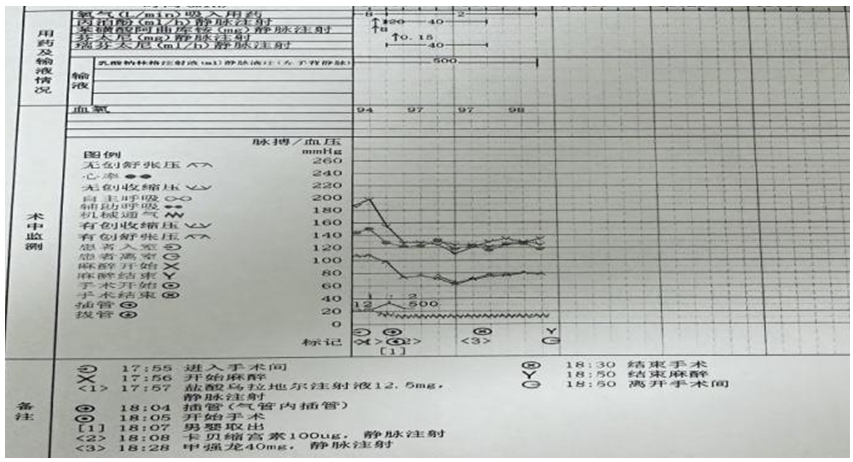
Interventions: Immediate management included securing the airway, administering magnesium sulfate, labetalol, and nicardipine. An emergency cesarean section was performed under general anesthesia utilizing rapid sequence induction. Postoperative care in the ICU involved continued magnesium sulfate infusion, blood pressure control, and close monitoring.
Outcomes: A male infant was delivered with Apgar scores of 7-8. The maternal condition stabilized, and she was successfully discharged. Head CT suggested posterior reversible encephalopathy syndrome (PRES).
Clinical significance: Ensuring maternal and neonatal safety in eclampsia necessitates rapid recognition, immediate intervention, and optimized anesthetic management, with an emphasis on considering point-of-care gastric ultrasound in emergencies. It underscores the indispensable role of multidisciplinary team collaboration.
Keywords: Eclampsia; Severe preeclampsia; Case report; Anesthesia management; Multidisciplinary team; PRES; Cesarean section