
Age-Stratified Glycolysis and Bile Acid Metabolism Drive Survival in Acute Liver Failure: Insights from NCBI Pathways
##plugins.themes.bootstrap3.article.sidebar##
##plugins.themes.bootstrap3.article.main##
Abstract
Objective
This study investigates age-dependent variations in hepatic glycolytic adaptation during D-galactosamine-induced acute liver failure (ALF), identifying metabolic regulators through integrated bioinformatics analyses leveraging NCBI-annotated datasets.
Methods
Age-stratified male Wistar rats (6-week juvenile vs 8-month middle-aged) received D-GalN (YDI/MDI) or PBS. Multi-omics analysis combining hepatic transcriptomics, serum enzyme analyses, and qPCR validation was conducted at 24h post-challenge. Multi-omics pathway analysis incorporated NCBI GEO/KEGG resources.
Results
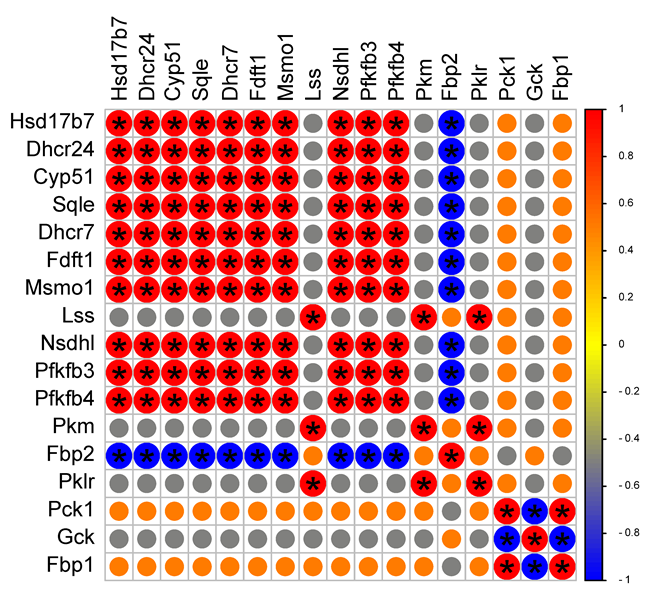
Juvenile rats exhibited 37.5% survival versus 100% mortality in middle-aged counterparts (p<0.001). Juvenile livers demonstrated 245-fold Gck induction with coordinated glycolytic activation (Pfkfb3/4↑, Fbp2↓), contrasting with metabolic paralysis in aged rats. Bile acid signaling mediated Pfkfb3/4 activation (r=0.82) and gluconeogenic suppression (Pck1↓). Acat2/2l1-driven cholesterol esterification attenuated lipotoxicity through FFA reduction. Human ALF validation revealed age-dependent Gck (Log2FC=-3.1) and Acat2 (Log2FC=-2.8) suppression (p<0.05).
Conclusion
Juvenile hepatic resilience stems from bile acid-potentiated glycolysis and Acat2-mediated lipid detoxification - pathways impaired in aging. Our translational framework identifies Gck activation and Acat2 induction as age-stratified therapeutic strategies, highlighting INT-777 (TGR5 agonist) as a candidate for metabolic reprogramming in geriatric ALF.