
The impact of lifestyle on Metabolic Syndrome: A comprehensive review The impact of lifestyle on Metabolic Syndrome: A comprehensive review
##plugins.themes.bootstrap3.article.sidebar##
##plugins.themes.bootstrap3.article.main##
Abstract
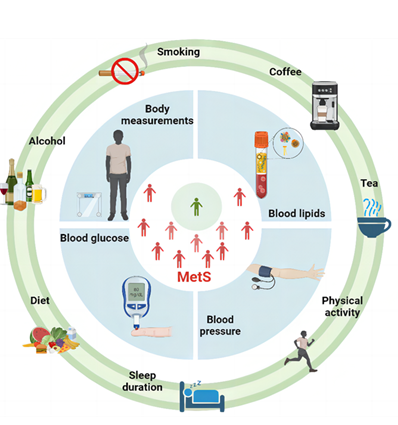
Metabolic syndrome (MetS) is a pathological condition characterized by cardiovascular risk factors, including hypertension, obesity, dyslipidemia, and abnormal glucose metabolism, increasing the risk of developing diabetes and cardiovascular disease (CVD). Despite extensive research and the association of lifestyle variables with the development and progression of MetS, its etiology remains unclear, and research into preventive interventions remains critical. Individuals with MetS can significantly benefit from lifestyle interventions such as regular exercise, healthy eating habits, and other behavioral changes, which can help improve the associated pathophysiological changes. In addition, promoting a healthy lifestyle in the general population can significantly reduce the incidence and prevalence of MetS and associated diseases. Therefore, the main objective of this paper is to provide a comprehensive review of MetS, including its diagnostic criteria, lifestyle, and lifestyle score correlates. This study highlights the importance of lifestyle interventions in preventing and treating MetS as an effective and accessible way to reduce complications and improve the quality of life of patients with MetS.