
Single-Cell RNA-Seq Generates a Molecular Map of Affected Skin from Patients with Postherpetic Neuralgia
##plugins.themes.bootstrap3.article.sidebar##
##plugins.themes.bootstrap3.article.main##
Abstract
Objective:
Postherpetic neuralgia (PHN) is a prevalent complication following herpes zoster, characterized by persistent neuropathic pain. This study aimed to investigate the transcriptomic alterations in skin tissue from PHN patients, focusing on the identification of key genes and pathways involved in its pathogenesis.
Method:
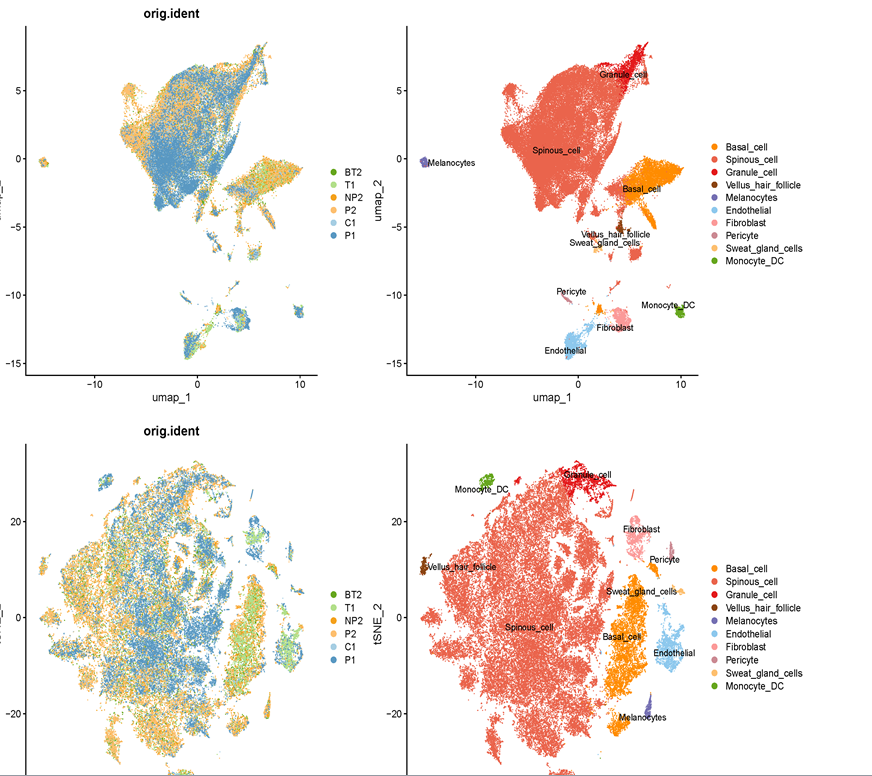
Full-thickness skin biopsies were obtained from both the affected areas of herpes zoster rash and their symmetrical counterparts. Differential expressed genes were identified, and functional enrichment analysis was conducted to elucidate their biological significance. Furthermore, intercellular communication among various cell types in both healthy and HZ-affected skin was analyzed. Cluster analysis was performed on skin samples from three cases of refractory PHN, comparing them to their symmetrical controls to identify distinct transcriptomic profiles.
Results:
This study identified significant transcriptomic alterations in the skin samples of patients with PHN. Notably, there was a marked upregulation of CCL5, CXCL10, CXCL9, and GBP4 in monocyte cells from affected regions. In contrast, the expression of MT1G was downregulated in basal cells, while MT2a showed decreased levels in spinous cells and SPRR2E was downregulated in granular cells. GO and KEGG pathway analyses of differential expressed genes highlighted critical biological pathways and ligand-receptor interactions, particularly involving THBS, LAMININ, PTN, CD99, and FGFA, that may underlie these changes.
Conclusion:
The findings from this research elucidate the transcriptomic landscape associated with PHN, revealing significant alterations indicative of early pathological processes. The observed upregulation of inflammatory markers and downregulation of protective genes suggest a complex interplay contributing to the persistence of neuropathic pain.