
Progress in the Application of Nanomedicine in the Treatment of Colorectal Cancer and its Liver Metastasis Based on Targeted Therapy Strategy
##plugins.themes.bootstrap3.article.sidebar##
##plugins.themes.bootstrap3.article.main##
Abstract
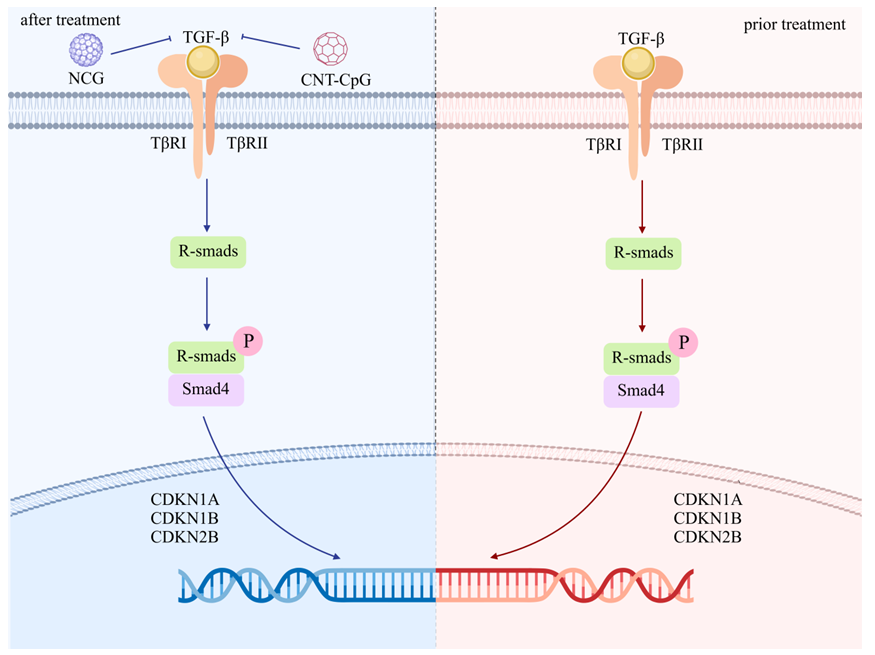
Colorectal cancer (CRC) is the third most common malignancy worldwide. Conventional treatments such as surgery, radiotherapy, and chemotherapy face limitations including recurrence, drug resistance, and side effects. Nanomedicine has improved targeting precision and therapeutic efficacy, representing an innovative strategy against CRC. This review highlights recent advances in nanomedicine targeting key CRC signaling pathways, such as Wnt/β-catenin, TGF-β/Smads, JAK-STAT, Ras-Raf-MAPK, and PI3K-Akt-mTOR. Given that the liver is the predominant site of metastasis and greatly increases mortality, focus is placed on nanomedicine for managing colorectal cancer liver metastases (CRCLM), including strategies targeting glycolytic metabolism, exosome communication, and immune cell regulation. Additionally, nanoparticle-based diagnostics enable early detection and multimodal imaging. This article synthesizes developments in nanomedicine for improved diagnosis, treatment, and liver metastasis control in CRC, aiming to promote comprehensive therapeutic strategies.