
Comparative Analysis of Gut Microbial Diversity and Composition Changes after CMPI treatment in CINP Model
##plugins.themes.bootstrap3.article.sidebar##
##plugins.themes.bootstrap3.article.main##
Abstract
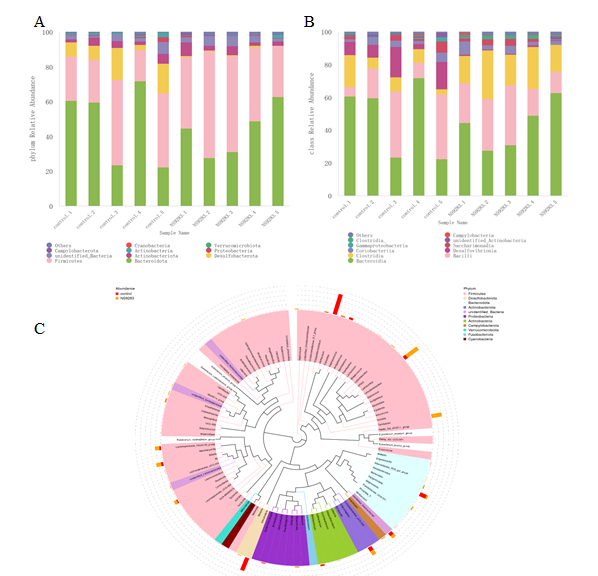
Chemotherapy-induced neuropathic pain (CINP) significantly affects the quality of life for cancer survivors, with limited effective treatment options currently available. The α4β2 nicotinic acetylcholine receptor (nAChR) has emerged as a potential target for CINP treatment. This study investigates the impact of an α4β2 nAChR positive allosteric modulators on gut microbiota. Wild-type C57BL/6 mice were used to establish a CINP model through oxaliplatin administration. Gut microbiota composition was analyzed using 16S rRNA gene sequencing, followed by bioinformatics methods to assess microbial diversity and community structure. High-throughput sequencing revealed notable alterations in gut microbial diversity and composition post-CMPI treatment, including decreased Desulfobacterota and increased Clostridia abundance, which may be linked to the drug's analgesic and anti-inflammatory effects. CMPI is potentially acting through modulation of the gut microbiota. Further research is needed to clarify the mechanisms and their implications for pain relief.