
Monitoring and Homology Analysis of Extended-Spectrum Beta-Lactamases (ESBLS) Producing Escherichia Coli from the Hospital Sewage in Shaoxing, China
##plugins.themes.bootstrap3.article.sidebar##
##plugins.themes.bootstrap3.article.main##
Abstract
Objective: To detect drug resistance and homology analysis of Escherichia coli isolated from hospital sewage, and to explore the sources of antibiotic-resistant microorganisms in the environment.
Methods: Thermotolerant Escherichia coli and other enteric pathogenic bacteria isolated from the sewage of three hospitals in Shaoxing area from January 2016 to December 2019 were included. The drug resistance of thermotolerant Escherichia coli was detected and compared with that of Escherichia coli isolated from clinical specimens in 2019. Meanwhile, the resistance phenotype and resistance genes of extended spectrum beta lactamases (ESBLs) of thermotolerant Escherichia coli in sewage were detected.
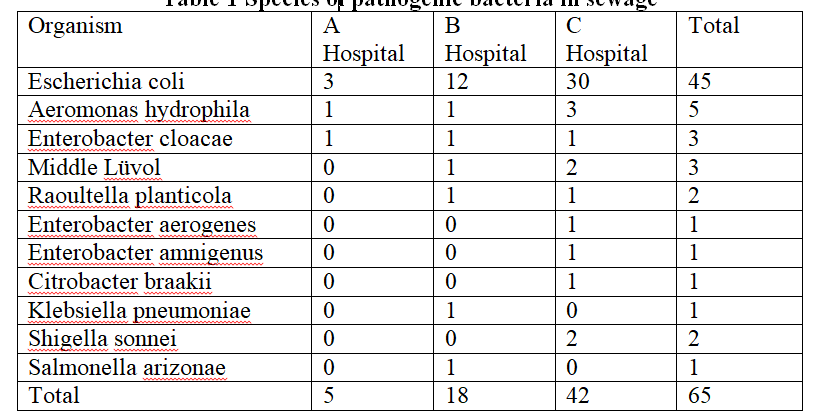
Results: A total of 65 strains of pathogenic bacteria were isolated from sewage, including 45 strains of Escherichia coli. Escherichia coli had a lower resistance rate to most antibiotics compared with Escherichia coli isolated from clinical specimens, and the resistance rates of Ampicillin, Aztreonam, Amoxicillin/Clavulanic acid and first to fourth generation Cephalosporins were statistically significant (P<0.05). A total of 20 ESBLs-positive strains were detected in sewage, including 10 strains carrying CTX-M9 resistance gene, 8 strains carrying CTX-M-1 resistance gene, 5 strains carrying TEM resistance gene. In addition, a pan-drug resistant Klebsiella pneumoniae was detected.
Conclusion: Intestinal pathogens carrying different drug resistance genes in hospital sewage. Hospitals should strengthen the quality of sewage treatment to prevent the spread of multi-drug resistant bacteria to the natural environment.