
Cooking-Related Solid Fuel Combustion and Memory-Related Cognitive Disorders : Evidence From the CHARLS Cohort
##plugins.themes.bootstrap3.article.sidebar##
##plugins.themes.bootstrap3.article.main##
Abstract
Introduction: Memory-Related Cognitive Disorders keeps growing alongside global population ageing. Air pollution is harmful to health, yet evidence linking household solid fuel cooking to amnestic disorders remains insufficient. Our purpose is to study the impact of solid fuel consumption for cooking on amnestic disorders.
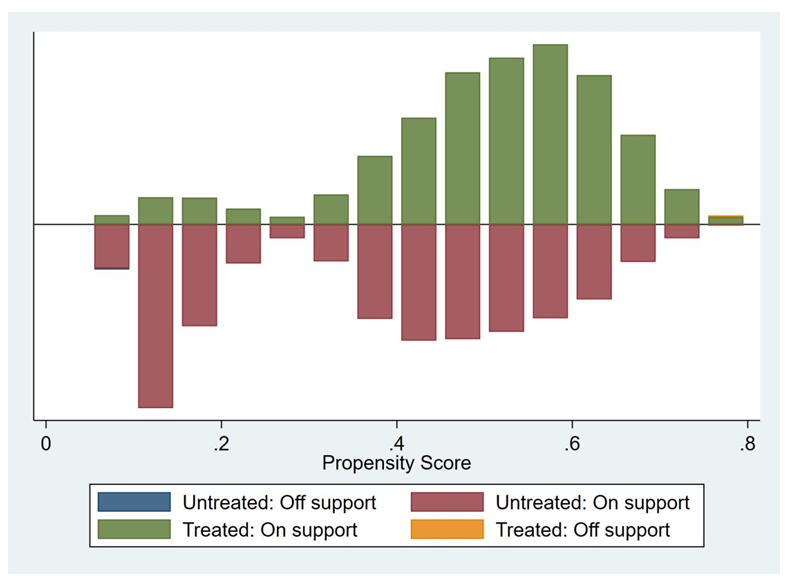
Methods: Data were obtained from the 2015–2018 China Health and Retirement Longitudinal Study (CHARLS), including 6141 initially amnestic disorder-free participants aged ≥45 years. We employed propensity score matching (PSM) to balance sociodemographic characteristics, lifestyle, health status, and other covariates. Logistic regression was applied to the matched data to examine the association between solid fuel consumption and amnestic disorders, with subgroup analyses conducted to assess heterogeneity.
Results: The results showed that among 6141 participants, 119 developed incident amnestic disorders. The population was significantly higher in the solid fuel group than in the clean fuel group (2.64% vs. 1.40%, P < 0.001). After PSM adjustment for confounders, solid fuel use for cooking was associated with a higher risk of amnestic disorders (OR = 2.125, 95% CI: 1.308,3.453). Similar associations were observed in subgroups aged ≥60 years, males, rural residents, and individuals with depression.
Conclusion: In conclusion, solid fuel consumption is associated with an increased risk of incident amnestic disorders among Chinese adults aged 45 years and older. It is vital to raise public health awareness, implement intervention measures, minimize the use of solid fuels, and encourage the use of clean fuels, all of which will reduce the occurrence of air pollution-related diseases.