
Bibliometric and Visualization Analysis of Hepatic Encephalopathy Research (2000-2024): Trends, Collaborations, and Future Directions
##plugins.themes.bootstrap3.article.sidebar##
##plugins.themes.bootstrap3.article.main##
Abstract
Background: Hepatic encephalopathy (HE) is a neuropsychiatric disorder resulting from severe liver dysfunction or portosystemic shunting. It carries high morbidity and mortality and imposes a substantial burden on healthcare systems. This study aims to map the knowledge structure, highlight research hotspots, reveal emerging trends, and propose future directions in the field using bibliometric and visualization analysis.
Methods: A comprehensive search was conducted in the Web of Science Core Collection (SCI-EXPANDED and CPCI-S) to identify literature on hepatic encephalopathy published between 2000 and 2024. Quantitative and visual analyses were performed using VOSviewer and CiteSpace software to examine patterns of authorship, institutional contributions, journal dissemination, geographic distribution, keyword co-occurrence, co-authorship, citations, and co-citations, with the aim of objectively presenting and forecasting research trends in the field.
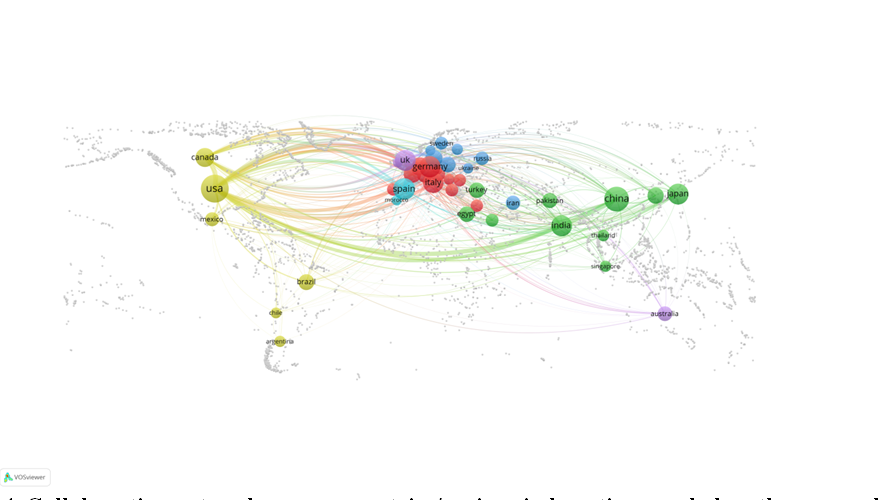
Results: A total of 8,723 relevant publications were identified. The number of annual publications has steadily increased over the years. Network analyses revealed that the United States, the journal Metabolic Brain Disease, and author Jasmohan S. Bajaj were the most influential contributors in terms of national output, institutional productivity, and individual authorship, respectively. Spain exhibited the highest average citation count per publication, reflecting notable academic impact. Reference co-citation and keyword co-occurrence analyses highlighted emerging research frontiers, including "risk," "mortality risk," "American Association" (referring to AASLD/EASL guidelines), "sarcopenia," and "decompensated cirrhosis" as sustained thematic focuses.
Conclusion: Research on hepatic encephalopathy has expanded considerably over the past two decades. Current studies predominantly focus on risk stratification, treatment efficacy, and underlying mechanisms. There is a discernible trend toward multidisciplinary integration, encompassing microbiome science, nutritional assessment, neuroimaging, and artificial intelligence. Among these, risk assessment is poised to remain a central focus in guiding future research and clinical management of hepatic encephalopathy.